
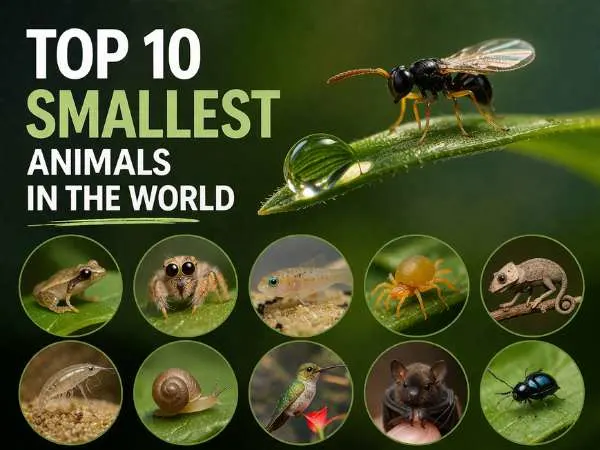
Nature is full of tiny surprises! We usually pay all our attention to big, flashy animals, but we really shouldn’t forget about the tiny ones. Taking a closer look at the world’s absolute smallest creatures shows us just how amazing and tough nature can actually be!
We Need to Look Past the Big Guys
Let’s be honest, we all love big, majestic animals like lions, elephants, and bears. Because they get all the spotlight on TV and in zoos, we completely ignore the little guys hiding right under our feet! This is a huge mistake. We tend to think that bigger is always better, and we end up forgetting how important tiny creatures are to our world.
Why Missing the Little Guys is a Big Deal
When we ignore these tiny animals, we’re putting our environment at risk. Sure, the big animals are great for posters, but the little guys do a ton of heavy lifting! They keep the soil healthy, eat pesky bugs, and keep nature perfectly balanced. When we build new roads and cities and destroy their tiny homes, we mess up the whole food chain from the bottom up!
Counting Down the Smallest of the Small
To really appreciate the wild variety of life on Earth, we have to look at the animals that shrank down to survive. Let’s count down the ten absolute smallest animals in the world! We’re skipping the microscopic stuff you need a magnifying glass for, and just focusing on tiny animals with bones. These guys completely break all the rules!
10. The Pygmy Marmoset
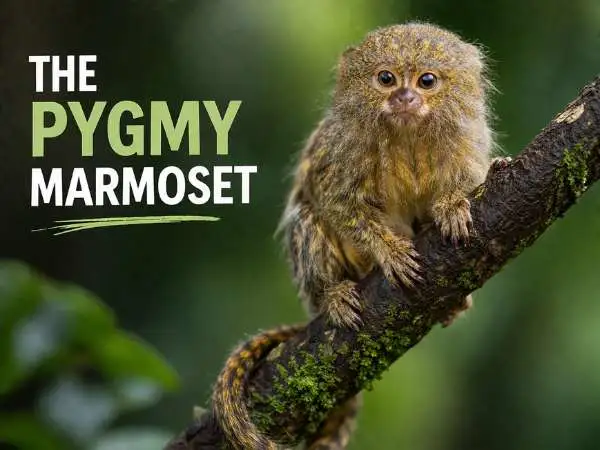
Hanging out high up in the Amazon rainforest, the pygmy marmoset is the smallest true monkey in the world! Adult marmosets weigh about four ounces—roughly the size of a large tomato. They’re super fast in the trees and use their special sharp teeth to snack on tree sap. Because they’re so small, they can easily hide in thick leaves where bigger predators can’t reach them!
9. Madame Berthe’s Mouse Lemur
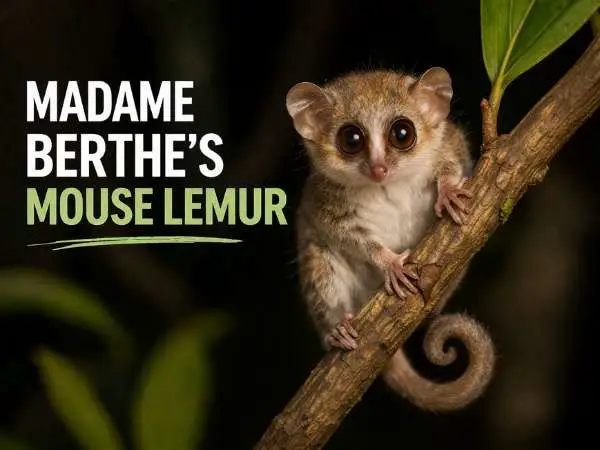
Found only on the island of Madagascar, this is the world’s smallest primate! Weighing just one single ounce, this little guy is wide awake at night. Those giant eyes aren’t just for looking incredibly cute; they help the lemur see perfectly in the dark so it can hunt for tiny bugs and moths up in the trees.
8. The Etruscan Shrew
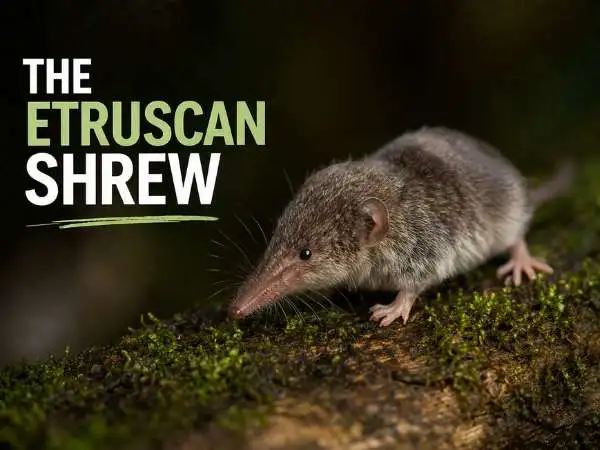
Meet the lightest mammal on Earth! The Etruscan shrew often weighs less than a copper penny. But don’t let its tiny size fool you—it’s a fierce and hungry hunter! It has to eat more than its own body weight every single day just to stay alive. To keep up with all that energy, its tiny heart can beat a mind-blowing 1,500 times a minute!
also read : – 100 Awesome Birthday Wishes for Your Best Friend!
7. The Bee Hummingbird
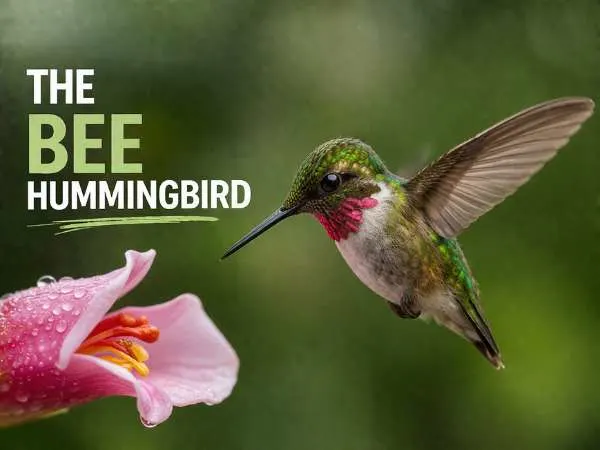
Living over in Cuba, the bee hummingbird is the smallest bird on the planet! It weighs less than two grams and is about the exact same size as a heavy bee. It’s an incredible flyer, beating its tiny wings up to 80 times per second so it can hover perfectly while drinking sweet nectar from flowers.
6. The Speckled Padloper Tortoise
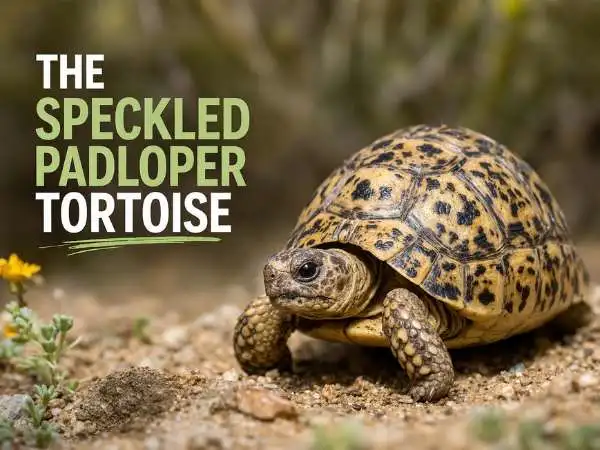
When you think of tortoises, you probably picture giant, heavy rocks. Well, this one from South Africa totally breaks the mold! It’s the smallest tortoise in the world, with the males only growing to about three inches long. They survive the hot sun by hiding under flat rocks and munching on local wild flowers.
5. Kitti’s Hog-Nosed Bat
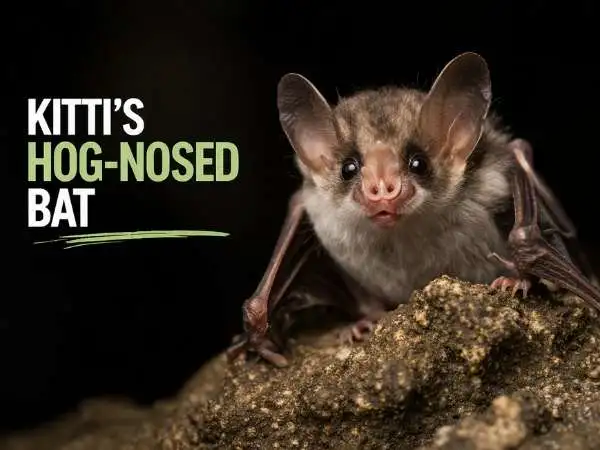
Also known as the bumblebee bat, this tiny flier lives in Thailand and Myanmar. At just one inch long and weighing about two grams, it totally competes for the title of the world’s smallest mammal! It lives in special, dark limestone caves and flies out right at sunset to catch tiny bugs in the air.
4. The Virgin Islands Dwarf Gecko
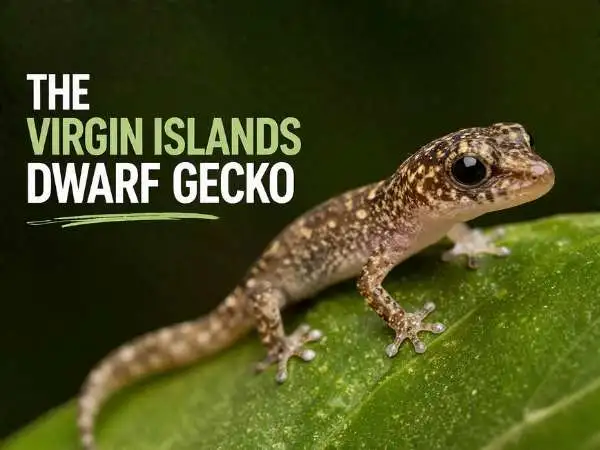
This teeny-tiny reptile from the Caribbean is less than an inch long! Because it’s so small and blends in perfectly with its surroundings, it easily hides in dead leaves on the ground. This awesome camouflage helps it avoid getting eaten by bigger animals while it hunts for microscopic bugs.
3. The Paedocypris Fish
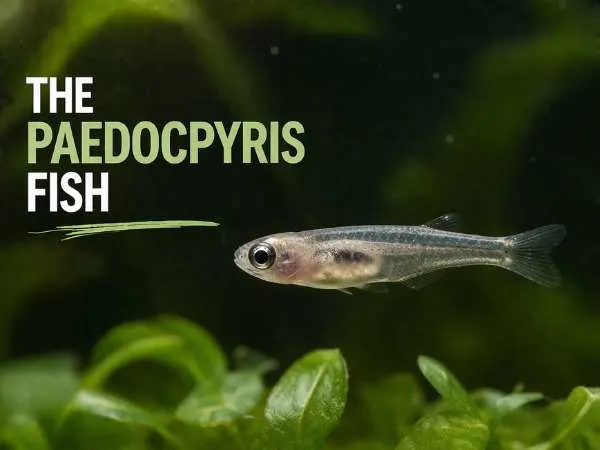
Found in the dark, swampy forests of Indonesia, this amazing fish is less than a third of an inch long! It survives in super acidic, dark water where most other fish wouldn’t last a minute. You can actually see right through its clear body! They survive beautifully where no one else can.
2. The Brookesia micra Chameleon
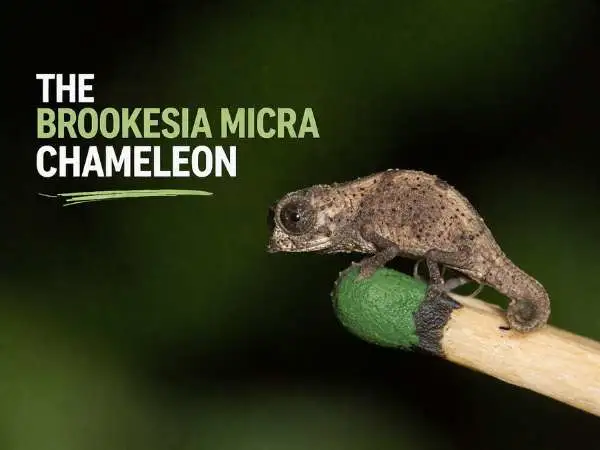
This tiny chameleon lives on a small island near Madagascar and can comfortably sit right on the head of a matchstick! It spends its days hiding in dead brown leaves on the forest floor. If a bird gets too close, it just plays dead and looks exactly like a tiny piece of dirt.
1. The Amau Frog (Paedophryne amauensis)
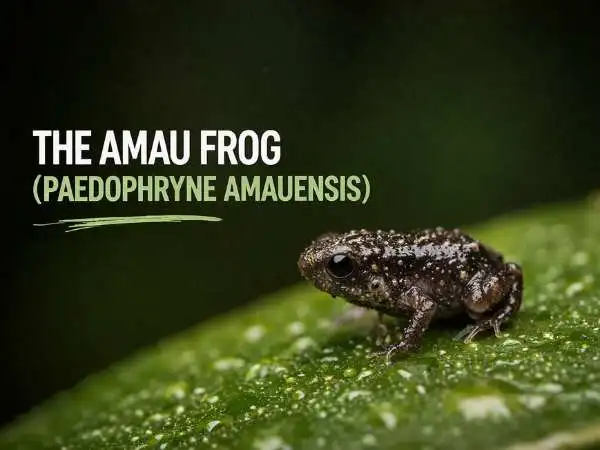
Here is the absolute smallest vertebrate in the entire world! Discovered in Papua New Guinea, this tiny frog is about a quarter of an inch long. It doesn’t even have a tadpole stage—it hatches from the egg as a fully formed, tiny frog! Its high-pitched squeak sounds so much like a bug that people often walk right past it without noticing.
also read : – World of Oceans: A Clear, Living Guide to Earth’s Vast Blue System
Why Do They Shrink Down?
You might wonder why these animals are so incredibly tiny. It’s actually a genius survival trick! Being small means you don’t need much food, which is great when you live on an island or in a harsh place. It also helps them hide from big predators and fit into tiny cracks where no one else can go. Nature just shrinks them down to fit the empty spaces perfectly!
The Danger of Being So Small
Even though they are amazing, being so small is really risky. A bad rainstorm or a new predator (like a pet cat) can wipe them out quickly. Worse yet, because they are so tiny, they can’t just pack up and walk miles away if we cut down their forest. If their tiny home gets destroyed, they are in huge trouble.
Frequently Asked Questions (FAQ)
What’s the absolute smallest animal ever?
If you include bugs without backbones, it’s microscopic stuff like rotifers that you need a glass lens to see! But for animals with bones, the tiny Amau Frog takes the gold medal!
Can I keep one of these as a pet?
Nope! Please don’t try. These little guys are completely wild and need very specific food, temperature, and humidity to survive. They wouldn’t last long in a glass tank.
How do scientists even find them?
It takes a ton of hard work and patience! Scientists listen for tiny squeaks in the dark, sift through bags of dead leaves, and take lots of extreme close-up photos.
Do they bite people?
Not really! Even if a tiny shrew gets mad, its teeth are way too small to even scratch human skin. You have nothing to fear from them!
Why are so many of them found on islands?
Islands often have limited food and fewer big predators. Over thousands of years, animals just naturally shrink down to survive better on less food! It’s a neat trick of nature called “insular dwarfism.”
Final Thoughts
Looking at the big picture, we really need to stop focusing only on giant animals! These tiny creatures are incredible survivors and do so much to keep our world healthy. We definitely need to step up and protect their small, fragile homes before they disappear forever. Keep your eyes peeled next time you take a walk—you never know what tiny king you might find!

