
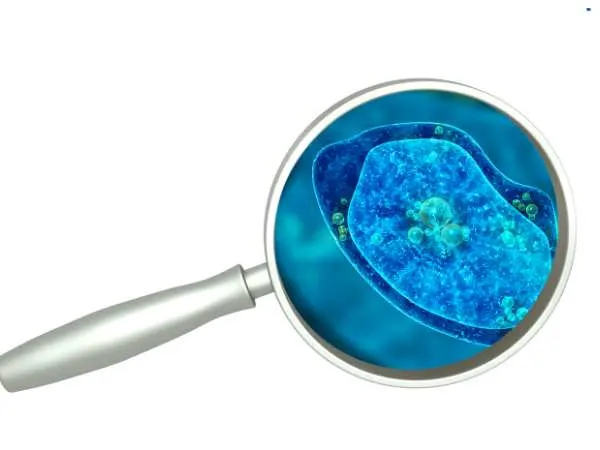
The phrase amoeba that eats brain sounds terrifying. Many people hear it on the news after a rare death and panic instantly. Questions rush in fast. Did I get water up my nose. Can this happen in my area. What symptoms show first. Is there treatment. The fear feels real even though cases remain extremely rare.
This blog explains everything in calm, clear language. You will learn what the brain-eating amoeba is, where it lives, how it enters the body, what symptoms look like over time, and how people protect themselves. No panic. No exaggeration. Just solid facts explained step by step.
What Is the Amoeba That Eats Brain
The amoeba that eats brain is a microscopic organism that lives in warm freshwater. It infects people only in very specific situations. Infection happens through the nose, not the mouth, not the skin, and not by drinking water.
Once inside the nose, the amoeba can travel to the brain and cause a severe infection. This condition progresses fast and becomes life-threatening in most cases. Still, infections remain extremely rare worldwide.
Key facts to understand:
- It lives naturally in warm freshwater
- Infection happens only through the nose
- Drinking water does not cause infection
- Person-to-person spread does not happen
Understanding these basics reduces fear.
Brain-Eating Amoeba Where Is It Found
People often assume this amoeba exists only in certain countries. That belief is wrong. The organism lives naturally in many warm environments.
Common places include:
- Warm lakes and ponds
- Rivers with slow-moving water
- Hot springs
- Poorly maintained swimming pools
- Warm freshwater pipes
Saltwater does not support its survival. Properly treated swimming pools do not support it either.
How Does Brain-Eating Amoeba Get Into Water
The amoeba enters water naturally. It forms part of the environment in warm climates. It thrives when temperatures rise and water stays stagnant.
Conditions that support growth include:
- High water temperature
- Low water flow
- Lack of proper chlorination
Heavy rains and heat waves often raise water temperature, which increases amoeba presence.
also read : – The Dangers of Tissues and Blood Loss: Understanding the Risks
How Infection Actually Happens
Infection does not happen through casual contact. It requires water forced into the nose.
Common situations include:
- Diving into warm freshwater
- Jumping into lakes
- Water sports that push water upward
- Using unclean water for nasal rinsing
The amoeba enters through the nasal passages and moves along nerves leading to the brain.
I Got Water Up My Nose Brain-Eating Amoeba: Should I Panic
This is one of the most searched fears. Water entering the nose alone does not mean infection will happen. Millions of people get water up their nose every year. Only a handful of infections occur globally.
Risk increases when:
- Water is warm
- Water is untreated freshwater
- Force pushes water deep into the nose
If water exposure happened once without symptoms, panic is not needed.
Brain-Eating Amoeba Symptoms
Symptoms begin a few days after exposure. Early signs resemble common illnesses, which makes early detection difficult.
Early symptoms often include:
- Headache
- Fever
- Nausea
- Vomiting
As the infection progresses, symptoms become severe quickly.
Brain-Eating Amoeba Symptoms Timeline
Understanding the timeline helps people know when to seek help.
Typical timeline:
- Day 1–5: Mild headache, fever
- Day 5–7: Neck stiffness, confusion
- Day 7 onward: Seizures, coma
Progression happens fast. Medical attention becomes urgent once symptoms appear.
Why the Infection Becomes Dangerous So Quickly
The amoeba attacks brain tissue directly. The immune system struggles to stop it. Swelling increases pressure inside the skull, which causes severe damage.
Factors involved include:
- Rapid inflammation
- Brain swelling
- Nerve damage
That speed explains why survival rates remain low.
Brain-Eating Amoeba Treatment
Treatment exists but success depends on early detection. Doctors use a combination of medications and supportive care.
Treatment may include:
- Antiparasitic medicines
- Antibiotics
- Anti-inflammatory drugs
- Intensive care monitoring
Early diagnosis improves chances, though cases remain difficult to treat.
Why Early Treatment Matters So Much
Time plays a critical role. Delays allow the amoeba to cause irreversible damage.
Early treatment helps by:
- Slowing amoeba growth
- Reducing brain swelling
- Supporting vital functions
Any recent freshwater exposure combined with symptoms needs urgent evaluation.
also read : – Anti-Aging Strategies: How to Feel Younger than Your Age
How to Avoid Brain-Eating Amoeba
Prevention focuses on reducing nasal exposure to warm freshwater.
Protective steps include:
- Avoid diving in warm freshwater
- Keep head above water
- Use nose clips during water activities
- Avoid stagnant water during heat waves
Simple habits reduce risk significantly.
Safety Tips for Nasal Rinsing
Nasal rinsing carries risk only when unsafe water is used.
Safe practices include:
- Use distilled or sterile water
- Boil tap water and cool it
- Follow hygiene guidelines
Tap water without treatment should never be used for nasal rinsing.
Brain-Eating Amoeba and Swimming Pools
Well-maintained pools remain safe. Chlorine kills the organism effectively.
Risk increases only when:
- Pool maintenance is poor
- Chlorine levels drop
- Water remains warm and stagnant
Regular testing keeps pools safe.
Who Faces Higher Risk
Risk does not spread evenly. Certain behaviors increase exposure.
Higher risk groups include:
- Children playing in lakes
- People diving in warm freshwater
- Individuals using untreated water for nasal cleaning
Risk still remains extremely low overall.
Why Cases Are So Rare
The amoeba requires very specific conditions. The nose must receive water forcefully. The water must contain the organism. The immune response must fail.
That combination rarely occurs, which explains the low number of cases each year.
Myths About Brain-Eating Amoeba
Fear fuels misinformation. Clearing myths helps calm anxiety.
Common myths include:
- Drinking water causes infection
- Showering causes infection
- Saltwater contains the amoeba
None of these claims hold true.
Can It Spread From Person to Person
Spread does not happen between people. There is no airborne spread. Touch does not transmit it. Shared water bottles do not transmit it.
Infection requires direct nasal exposure to contaminated freshwater.
Seasonal Patterns of Infection
Most cases appear during hotter months. Warm water supports amoeba growth.
Peak times include:
- Late summer
- Heat waves
- Periods of low rainfall
Seasonal awareness helps prevention.
What To Do After Freshwater Exposure
Exposure alone does not require medical care. Monitoring symptoms matters more.
Steps to take include:
- Note any symptoms over the next week
- Seek care if headache and fever appear
- Share exposure history with doctors
Clear communication improves outcomes.
Emotional Impact and Fear Management
News stories often focus on rare deaths, not context. Fear spreads faster than facts.
Ways to manage anxiety include:
- Understanding rarity
- Learning prevention steps
- Avoiding panic searches
Knowledge reduces fear.
Why Awareness Matters Without Panic
Public awareness helps people avoid risky behavior. Panic creates unnecessary stress.
Balanced awareness:
- Encourages safe habits
- Prevents misinformation
- Reduces anxiety
Education remains the best tool.
Frequently Asked Questions
What is the amoeba that eats brain
It is a freshwater organism that can infect the brain through the nose in rare cases.
Brain-eating amoeba where is it found
Warm freshwater like lakes, rivers, and hot springs.
I got water up my nose brain-eating amoeba risk
Risk stays extremely low unless water was warm and untreated.
What are brain-eating amoeba symptoms
Early signs include headache, fever, nausea, and vomiting.
Is there brain-eating amoeba treatment
Treatment exists, though early diagnosis matters greatly.
Final Words
The amoeba that eats brain sounds horrifying, yet reality paints a calmer picture. Infections remain rare. Conditions required for infection remain specific. Simple precautions reduce risk even further.
Fear grows in silence. Knowledge restores balance. Understanding how the amoeba behaves, how exposure happens, and how prevention works allows people to live normally without constant worry.

